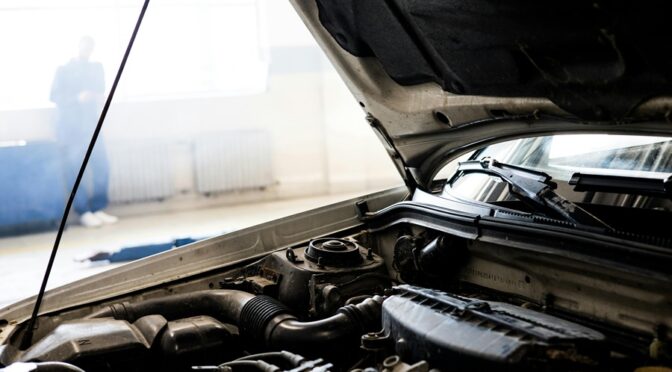
What Is Engine Tuning and Is It Safe?
Today, the process of tuning cars looks completely different than it did a decade or two ago. Modern sports cars require specialized software to increase engine power. Learn what chiptuning is and how engine performance can be adjusted through electronic modification.
Many sports car owners, after driving their vehicles for some time, start considering improvements to the engine’s performance. The most popular method today is chiptuning, which allows the engine to gain more power without physically altering any mechanical components under the hood.
What Is Chiptuning?
Chiptuning involves using specialized software connected to the engine control unit (ECU). This modification changes key settings that affect how the engine operates, such as:
- increasing turbo boost pressure,
- adjusting ignition timing,
- modifying the amount of fuel injected into the combustion chamber.
There are many parameters that influence engine power and overall performance. To carry out accurate chiptuning, technicians use diagnostic ports such as OBD and CANBUS, the BDM port, or in some cases, they must remove and reprogram the ECU’s EPROM chip.
In modern sports cars, software-based engine tuning is completely safe—as long as it’s performed by a qualified professional. It’s important not to raise the power output too high; a safe increase is usually around 10–20% over the factory value. Exceeding this can put excessive strain on certain engine components, such as the crankshaft.
Benefits of Electronic Engine Tuning
Electronic ECU tuning brings a number of advantages, including:
- a 20–30% power increase in turbocharged engines,
- up to a 10% performance boost in naturally aspirated engines,
- reduced fuel consumption during efficient, everyday driving,
- improved overall engine efficiency,
- better throttle response and flexibility in demanding driving conditions.
Increasing horsepower and torque not only enhances performance but also improves the overall driving experience. A more responsive engine makes driving noticeably more enjoyable.
Mechanical Engine Tuning – Does It Still Make Sense?
Mechanical modifications are recommended only when you plan a major power increase—typically more than 100 horsepower. In such cases, replacing several internal components becomes necessary to prevent engine damage.
Mechanical engine tuning often includes replacing:
- pistons,
- crankshaft,
- carburetor (in older vehicles),
- gaskets and the engine cover,
- piston rings,
- valves.
Skipping these upgrades when drastically increasing power can result in serious engine failure, and repairs can easily cost several thousand dollars.