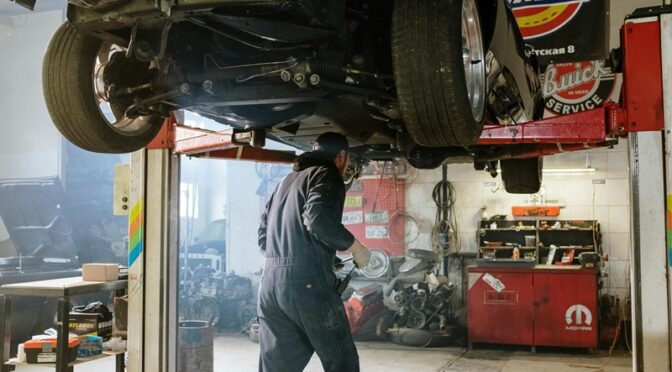
What to Inspect in Suspension and Brakes. After the winter season, performing a technical checkup of your car is crucial to ensure its safety and functionality for the upcoming months. Regularly checking your vehicle’s technical condition helps avoid unexpected breakdowns and ensures safe, comfortable driving. What should you pay attention to during a post-winter car checkup? Below are some useful tips.
After winter, it’s especially important to check three key vehicle systems: the suspension, braking system, and air conditioning. These elements are critical for both comfort and safety on the road. Many of these checks you can perform yourself, but for a more thorough diagnosis, it’s a good idea to visit a professional service.
How to Check the Suspension System After Winter?
Winter conditions can significantly affect your vehicle’s suspension system. It’s essential to regularly inspect these components because suspension issues can lead to dangerous driving situations. Here’s what to focus on:
- Springs and Shock Absorbers: Check for cracks, rust, or leaks. These parts have a major impact on both ride comfort and safety.
- Suspension Bushings: Look for signs of wear, such as cracks or loosening.
- Vehicle Height: If the car “sinks” or one side is noticeably lower, it might indicate damage to suspension components.
- Noises: If you hear clunks or squeaks when driving over bumps, it could mean there’s play in the suspension parts.
- Shock Absorber Test: Push down on the car above the wheel and release. If the car doesn’t return to its original position or bounces, the shock absorbers may need replacement.
If you notice any abnormalities, it’s likely that some suspension components need replacing. Keep in mind that after winter, due to road salt and moisture, springs and shock absorbers are especially prone to rust and damage.
Braking System – How to Check After Winter?
The braking system is one of the most critical systems for your safety. After winter, when roads are covered with salt, snow, and ice, the condition of your brakes may worsen. Here’s what to check:
- Brake Lines: Ensure that there are no leaks in the brake fluid lines.
- Brake Discs and Pads: Check for excessive wear on the brake discs and ensure the brake pads aren’t worn down too much.
- Brake Fluid: Check the level of brake fluid in the reservoir.
If the car responds slowly, you hear squealing noises, or feel vibrations when braking, it might indicate that brake pads or discs need to be replaced. Regular inspection of the braking system is essential to avoid serious issues while driving.
Air Conditioning – How to Inspect the System After Winter?
While the air conditioning system doesn’t directly affect safety, it plays an important role in passenger comfort, especially during the warmer months. After winter, it’s a good idea to perform a simple air conditioning check:
- Cooling Effectiveness: Turn on the air conditioning at full power and ensure it cools evenly.
- Sounds: Listen for any unusual sounds, such as hissing, which could indicate a leak in the system.
- Cabin Filter: Check the cabin air filter and replace it if it’s dirty. This is a part that should be changed each season to ensure clean air in the car.
- System Leak Check: You can visit a diagnostic station to have the air conditioning system checked for leaks and the refrigerant level.
If the air conditioning isn’t working correctly, it could be due to a malfunctioning compressor or a refrigerant leak. In such cases, professional repair may be required. What to Inspect in Suspension and Brakes
Additional Post-Winter Checkup Elements:
- Tires: After winter, it’s essential to check whether the tires are excessively worn, and ensure the tire pressure is correct. Keep in mind that temperature changes can affect their condition.
- Battery: Winter puts extra strain on your car’s battery, so it’s worth checking its condition and charge level.
- Lights: Ensure all lights are working properly, including headlights, taillights, and turn signals. Replace any burnt-out bulbs.
- Fluids: After winter, check the levels of essential fluids such as engine oil, coolant, and windshield washer fluid.
- Exhaust System: Winter conditions can cause corrosion to the exhaust system. Make sure there are no leaks or damage.
- Body Condition: Check the body for signs of rust caused by road salt, and make sure the paint is in good condition.
Conclusion: What to Inspect in Suspension and Brakes
Regular post-winter checkups are vital to ensure safety and comfort during driving throughout the year. By checking the suspension, brakes, and air conditioning system, you can avoid many problems that may arise during vehicle operation. If you’re unsure about the technical condition of your car, it’s always a good idea to consult a professional service for a thorough diagnosis.